05 / Capability
Asset and thermal inspection
Find the fault without putting anyone on the structure.
What it is
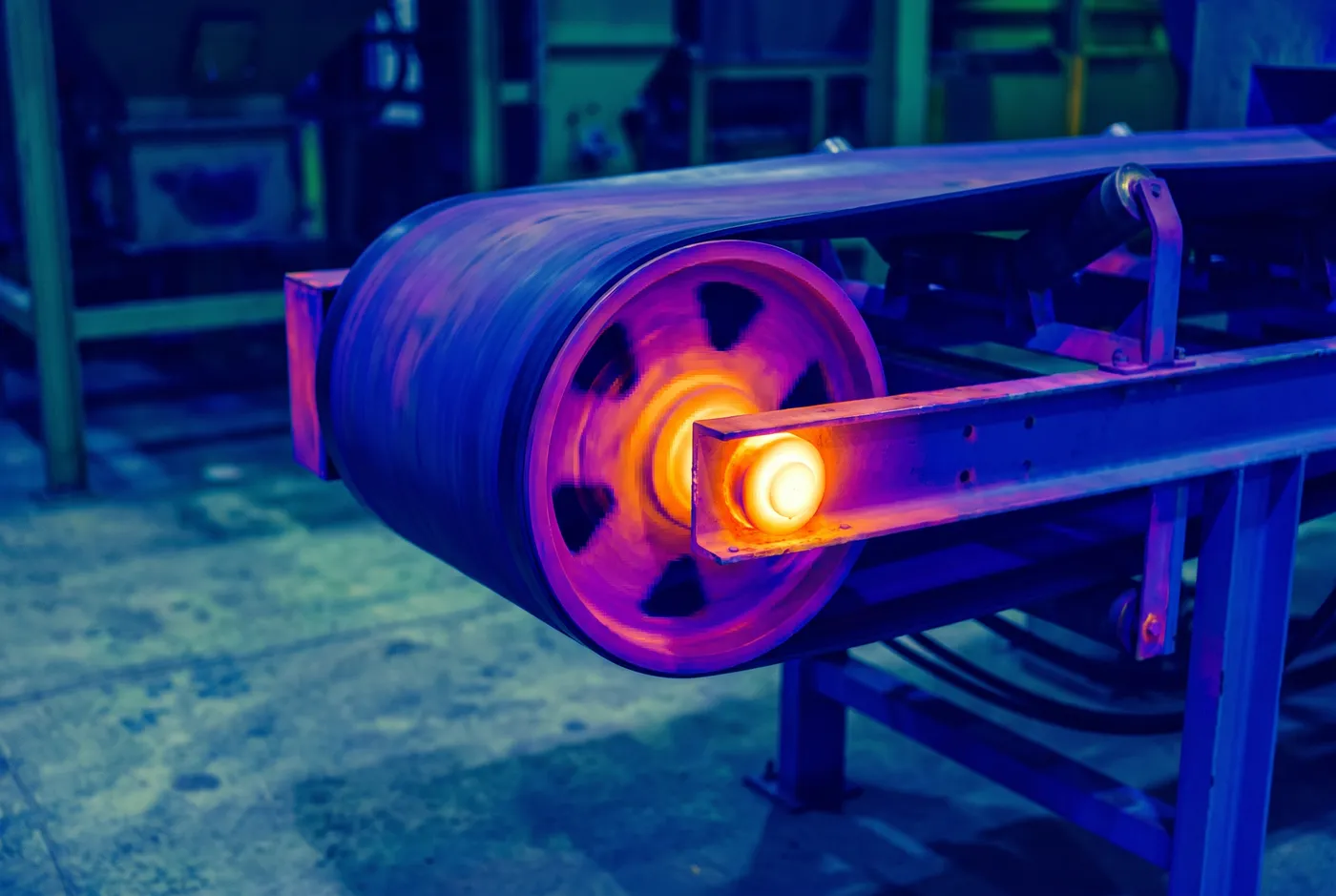
Inspecting a headframe, a conveyor gantry or a tank roof traditionally means rope access, an elevated work platform, or a shutdown. All three are expensive and two of them put a person at height. A close-standoff flight produces better coverage than a person can reach, in an afternoon, with nobody on the structure.
Specification
The numbers, published
- Visual resolution
- 2 mm/px at 8 m standoff
- Thermal resolution
- 640 × 512, ±2 °C absolute
- Standoff
- 5–15 m depending on structure
- Working at height eliminated
- Yes — no rope access or EWP required for capture
- Deliverables
- Annotated JPG set, thermal set, PDF findings report
- Indexing
- To your asset register IDs
- Turnaround
- 48 hours from flight
Accuracies are 1σ residuals measured at independent checkpoints excluded from the adjustment. Every figure on this page is invented for a demonstration build.
Method
How we do it
Indexed to your asset register
Findings are tagged to your asset IDs, not to our photo numbers. A report you have to cross-reference by hand is a report that does not get actioned.
Thermal is calibrated, not colourful
Thermal imagery is captured with a stated absolute accuracy and an emissivity assumption written on the report. A false-colour picture with no scale is decoration.
Findings, not an image dump
You get a findings report listing what was observed and where, with the imagery as evidence behind each item — plus the full set if you want it.
In your industry
Where this gets used
01
Mining and resources
Conveyor gantries, headframes and tank roofs without rope access or a shutdown.
02
Civil construction and infrastructure
Dated, georeferenced evidence of what was built and when — in the format your design software already opens.
03
Agriculture and land management
Terrain models over whole properties, at a scale that makes drainage and earthworks planning a measurement rather than a judgement.